How to Fly Fish for Bass
Fly fish for bass with a 9 foot 7 or 8 weight rod, a heavier bug or bass taper line, and a short stout leader of 7.5 feet down to 0X or 1X, which is the opposite of trout leader thinking. An 8 weight line carries 210 grains in the first 30 feet against 140 for a 5 weight, a jump of about 50 percent, and that extra mass is what turns over a wind resistant popper. The whole expansion costs under $300 for someone who already owns trout gear.
Bass are the best value expansion in fly fishing, and it is not close. They live within reach of almost everybody, they eat aggressively on the surface, they are not leader shy, and the entire kit is one rod, one line, a handful of flies and a leader you can cut down from what you already own. The whole expansion comes to under $300 at catalog prices, most of it the rod and line; the flies stay under $50. Compare that with driving four hours to a trout river and it is obvious why so many trout anglers quietly become bass anglers.
What weight fly rod do you need for bass?
Seven or eight, and the reason is not the fish. A four pound largemouth does not need more rod than a four pound trout does. The rod weight is set by the fly, not by the fish.
A fly rod's weight class is defined by the AFFTA line standard, which measures the mass in grains of the first 30 feet of line excluding any level tip. A 5 weight is 140 grains, a 7 weight is 185, and an 8 weight is 210. Going from the trout standard 5 weight to an 8 weight adds 70 grains, an increase of about 50 percent, and every one of those grains exists to carry something bulky through air that does not want to let it through.
A deer hair popper the size of a thumb has enormous air resistance and almost no mass. A trout line has neither the mass nor the taper to push it, so the loop collapses about two thirds of the way through the cast and the fly lands in a heap ten feet short. Add mass and a blunter taper and the same cast turns over cleanly.
| Line weight | Grains | Typical warm water use |
|---|---|---|
| 5 weight | 140 | General trout, dries to light nymph rigs |
| 6 weight | 160 | Big trout, wind, small streamers |
| 7 weight | 185 | Smallmouth, small poppers, moving water |
| 8 weight | 210 | Largemouth, big poppers, weed and timber |
| 9 weight | 240 | Heavy cover, wind, the largest bugs |
The practical split: a 7 weight for river smallmouth, where the flies are smaller, the casts are longer and the fish are in current, and an 8 weight for largemouth, where the flies are large and you need to steer a fish out of cover before it reaches a stem. The gap between them is only 25 grains, so if you can only own one, the 8 weight is the more useful because it also doubles as a starter saltwater rod for bonefish and redfish. The rod weight by species chart lays the full range out, and the line weight calculator converts a given grain window into the rod it suits.
Length stays at 9 feet and action should be moderate rather than fast. This is counterintuitive to anyone who thinks heavier means faster. A moderate blank like the Maxcatch Predator Fly Rod, 9ft 8wt 4pc loads properly at 25 to 40 feet, which is the range almost all bass fishing happens in, because you are casting at a specific piece of structure rather than into open water. A very fast 8 weight is a tournament distance tool and it feels dead at the distance you actually fish.
What fly line do you need, and will a trout line work?
The line matters more than the rod here, which is the usual answer in fly fishing and is especially true with bulky flies.
A trout taper spreads its mass over a long front taper so the fly lands delicately. That is exactly wrong for a popper. A bass or bug taper concentrates the mass in a short, heavy front section, so there is a slug of weight right behind the fly driving it forward. It lands harder, which does not matter, and it turns over big flies, which matters entirely.
Lines built for warm saltwater flats solve the same problem and are widely available, which is why a line like the RIO Elite Bonefish Fly Line, 8wt works well for bass. It has an aggressive front taper for turning over air resistant flies and a stiff tropical core that does not go limp in warm weather. The one caveat is that a tropical core is a warm season line: below roughly 60 degrees it stiffens and coils, so it is not the line to fish in cold conditions.
Modern lines often run half a size to a full size heavy, which manufacturers do deliberately so that fast rods load at short range. On a bass rod that overweighting is usually helpful rather than a problem, since you are casting short with heavy flies. Just be aware of it if a line feels much heavier than the number on the box.
Add a sinking tip when the surface goes quiet. A Scientific Anglers Sonar Titan Sink Tip, WF7F/S3 has a 15 foot tip sinking at roughly 3 to 4 inches per second with a floating running line behind it, which gets a Clouser down a drop off without the mess of managing a full sinking line. Remember that depth equals sink rate multiplied by sink time only in still water, and current makes the actual depth shallower than the arithmetic suggests. If you want the trout side of the line question, the trout fly line roundup covers the tapers that go the other direction.
Why are bass leaders the opposite of trout leaders?
Trout leader thinking is long and fine: 9 feet or more, tapering down to 5X or 6X, so a delicate fly lands softly and drifts without drag. Bass leader thinking is short and stout: 7.5 feet down to 0X or 1X. Nearly every instinct you built on trout water is wrong here.
Two reasons, both mechanical. A long fine leader cannot turn over a heavy fly. Energy travelling down the leader has to keep enough momentum to flip the fly over at the end, and a thin, long tippet runs out of energy and dumps the fly in a pile. Shortening the leader and thickening the tippet keeps the energy in the system.
A bass fights toward cover. A trout runs into open water; a largemouth turns and heads for the timber, the pads or the dock leg it came out of. You need to be able to lean on the fish immediately and turn its head, and 5X will not let you do that. Meanwhile bass in the murky, structure heavy water where they live are simply not leader shy the way a trout on a flat spring creek is.
Tippet X rating is a legacy scale where the number subtracted from 0.011 inches gives the diameter, so 0X is 0.011 inches and 5X is 0.006. Reading it the bass way means starting at the heavy end of the same scale you already know.
| Target | Length | Tippet | Diameter, inches | Why |
|---|---|---|---|---|
| Largemouth in timber and pads | 7.5 ft | 0X | 0.011 | Turns over a large popper and survives a fish wrapping a stem |
| Largemouth open water poppers | 7.5 ft | 1X | 0.010 | Slightly finer for a cleaner landing on calm water |
| Smallmouth on rivers, Clousers | 9 ft | 1X | 0.010 | A little more length where the water is clear and moving |
| Smallmouth, clear lakes, spooky fish | 9 ft | 2X | 0.009 | The finest that makes sense, and only in clear still water |
| Anywhere pike overlap with bass | 7.5 ft | Wire bite tippet | n/a | A pike will cut any monofilament, and pike live where bass live |
You do not need to buy a dedicated bass leader to start. Take a Scientific Anglers Absolute Trout Leader, 9ft 5X tapered leader and cut roughly 18 inches to 2 feet off the fine end, which removes the delicate tippet section and leaves you with a shorter, much stiffer leader that turns a bug over properly. It is the standard field fix and it costs nothing.
Which flies actually catch bass?
Bass fly selection is refreshingly short. Three families cover almost everything, and none of them require matching a hatch.
Poppers and surface bugs. A hard or deer hair bug with a cupped face that pushes water and makes noise. This is why people fly fish for bass at all: the take is violent, visible and happens in a foot of water two feet from a log. Cast to structure, let it sit still until the rings fade, give it one sharp pop, and let it sit again. The pause is where the eat happens, and almost everyone rushes it.
Clouser Minnows. The most useful subsurface fly in warm water, and one of the genuinely great fly designs. Dumbbell eyes tied on top of the shank make the fly ride hook point up, which means it comes through rock, gravel and timber without snagging on every cast. That single property is what makes a Clouser Minnow Saltwater Assortment, 12 flies assortment worth having, because it lets you fish the places bass hold rather than the places that are safe. Fish it on a strip pause retrieve so it darts and drops like a fleeing baitfish.
Woolly Buggers. The pattern that catches everything, everywhere. On bass water a Woolly Bugger Streamer Assortment, 24 flies with box reads as a crayfish, a leech, a small baitfish or simply as something alive. Fish it slow along a bottom for smallmouth, or strip it fast past a weed edge for largemouth. If you own one fly for bass, own this one.
Beyond those three the useful additions are a crayfish pattern for smallmouth on rocky rivers and a large articulated streamer for big largemouth. Neither is necessary to start, and neither outperforms a well presented bugger often enough to justify buying first.
The bass expansion kit

Maxcatch Predator Fly Rod, 9ft 8wt 4pc
A 9 foot 8 weight in a moderate action, which is the correct shape for throwing a wind resistant popper on a short cast rather than a tight loop at forty yards. At this price it is the cheapest honest route out of trout water.
Best for: Largemouth on poppers, big streamers, and doubling as a starter saltwater rod.
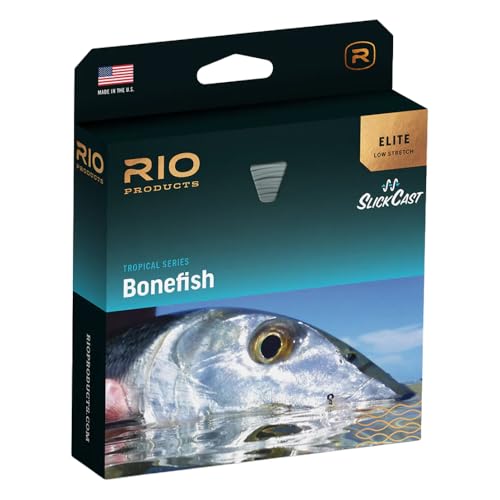
RIO Elite Bonefish Fly Line, 8wt
A short aggressive front taper on a stiff tropical core, which is exactly what turns over a bulky air resistant fly at close range. Built for bonefish, but the taper problem a bass bug presents is the same problem.
Best for: Warm water, floating presentations, and anyone whose trout line collapses under a popper.
Skip it if: Cold water. A tropical core goes stiff and coils badly below roughly 60 degrees, so this is a warm season line only.

Clouser Minnow Saltwater Assortment, 12 flies
The Clouser Minnow is the most useful subsurface fly in warm water. Dumbbell eyes make it ride hook point up, so it comes through rock and timber where an ordinary streamer would snag on every cast.
Best for: Smallmouth on rivers, and largemouth working deeper than a popper reaches.

Woolly Bugger Streamer Assortment, 24 flies with box
The pattern that catches everything that swims. On bass it is a crayfish, a leech, a small baitfish or none of those, and at this price it is the correct fly to throw into the timber where the fish actually are.
Best for: Anyone starting bass fly fishing with one fly and no idea what the fish are eating.
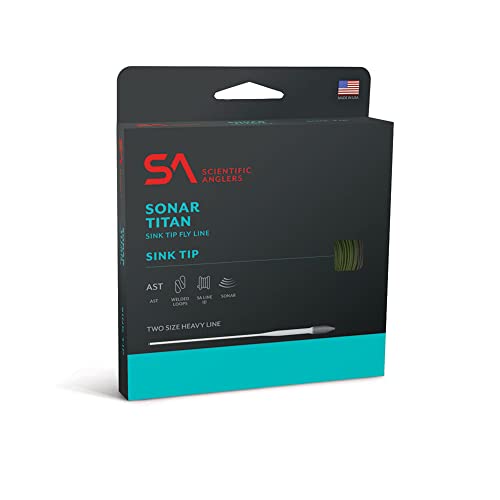
Scientific Anglers Sonar Titan Sink Tip, WF7F/S3
A 15 foot sinking tip at roughly 3 to 4 inches per second on a floating running line, which gets a fly down along a drop off without the tangle of a full sinking line. The right answer for smallmouth once the surface goes quiet.
Best for: Deep ledges, dam faces and the middle of a hot day.
Skip it if: Popper fishing. A sinking tip pulls the front of a surface bug under and ruins the whole point of it.

Redington Vice Fly Rod, 9ft 5wt 4pc
A fast 5 weight is a fine rod for smallmouth on small poppers and Clousers in a river, if you already own it. This is the honest version of using trout gear for bass rather than buying anything.
Best for: River smallmouth on light flies, with gear you already have in the cupboard.
Skip it if: Largemouth in cover. A 5 weight cannot turn over a big deer hair bug and cannot pull a fish out of pads, and trying is how rods break.
Specs are the manufacturer's published figures. Prices and stock change constantly, so confirm on the retailer page. We earn commissions from Backcountry and from qualifying Amazon purchases.
Where and when do you find bass?
Bass are ambush predators. That one sentence explains almost all of their behaviour and tells you where to cast.
Fish structure, not water. A largemouth is not cruising the middle of a lake, it is sitting under a dock, against a weed edge, alongside a fallen tree, or in the shade line of a lily pad bed, waiting for something to swim past. The cast that catches fish is the one that lands within a foot of the structure. The cast that lands three feet away catches nothing. This is why accuracy at 30 feet is worth far more in bass fishing than distance at 60.
Smallmouth read like trout. In a river, smallmouth hold on current seams, behind boulders, at the head and tail of pools and along rock ledges, in exactly the places a trout would. If you already read trout water, you already read smallmouth water, which is a large part of why the expansion is so easy for a trout angler.
Warm water is the whole season. Bass become active as water warms through the spring, feed hardest through the warm months, and slow down as it cools. That is the exact complement to trout, which suffer in warm water and should often be left alone in it. A bass rod turns the hot part of the year from a dead season into the best one.
Low light beats bright light. The first and last hours of daylight are the surface windows, and that is when a popper is at its best. In the middle of a hot bright day the fish go deeper or tuck hard under cover, which is when the sinking tip and a Clouser earn their place. A water thermometer is worth carrying for the same reason it is on trout water: it tells you which of those two games you are playing.
How do you fish and hook them?
The retrieve and the hookset are both different from trout fishing, and both are where trout anglers lose fish in their first bass season.
Strip set, do not lift. On a dry fly you lift the rod to set. On a bass fly you pull hard on the line with your stripping hand while keeping the rod tip low and pointed down the line. A bass has a hard bony mouth and the fly is often large, so you need real force to drive the hook home, and lifting the rod simply pulls the fly out of the fish's mouth without penetrating. Keep stripping until you feel weight, then strip strike hard.
Keep the rod tip in the water while retrieving. A tip held up puts slack between you and the fly, and slack is what stops the strip set working. Tip low, line under a finger, ready.
Fish the pause. On a popper, most eats happen while the fly is sitting still. On a Clouser, most eats happen on the drop between strips. In both cases the temptation is to keep the fly moving because moving feels like fishing, and in both cases the fish is waiting for it to stop.
Then get the fish out of the cover immediately. This is what the 8 weight and the 0X are for. There is no playing a largemouth gently near timber, because the fish will use the timber and you will lose both fish and fly. Apply pressure at once and turn its head away from the structure.
Is this really the best value expansion from trout gear?
Run the numbers rather than the enthusiasm. A complete bass setup for someone who already owns a trout outfit is a rod under $100, a line under $250, two fly assortments under $50 and a leader under $25, which comes to under $300 in total. Your existing reel, backing, pack, net, nippers, forceps and waders all carry straight across, since a trout reel in a 5/6 size will often hold an 8 weight line if you drop some backing, and an 8 weight reel is only needed once you start chasing fish that run.
Against that, consider what else the money could buy. Another trout rod is a marginal improvement on water you already fish. A saltwater trip is a flight. A bass setup opens water within driving distance of almost every angler in the country, in the season when trout fishing is at its worst, using skills you already have. It is also the setup that later becomes your bonefish, redfish and pike rod without buying anything else.
If you would rather see the whole thing as one build with a running total, the intermediate setup build lays out the second outfit in order. And if you are only ever going to fish river smallmouth on small Clousers, be honest about it: a fast 5 weight such as the Redington Vice Fly Rod, 9ft 5wt 4pc already in your cupboard will do that job perfectly well, and the correct expansion is a box of flies rather than a rod.
Frequently asked questions
What weight fly rod do you need for bass?
A 7 or 8 weight covers almost all of it. Under the AFFTA standard a 7 weight line carries 185 grains in the first 30 feet and an 8 weight carries 210, against 140 for the trout standard 5 weight. That extra mass is not about fish size, it is about turning over a large wind resistant popper. Smallmouth on rivers are fine on a 7, and largemouth around cover want the 8.
Can I use my 5 weight trout rod for bass?
For river smallmouth on small Clousers and little poppers, yes, and it is good fun. For largemouth in timber and lily pads, no. A 5 weight cannot turn over a bulky deer hair bug, and it cannot apply enough pressure to steer a fish away from a stem before it wraps you. Trying is how rods get broken and how fish get left in cover with a fly in their mouth.
What leader do you use for bass on the fly?
Short and stout, which is the exact opposite of trout thinking. Seven and a half feet down to 0X or 1X is the standard, and 0X is 0.011 inches. The short length turns a heavy air resistant fly over instead of collapsing, and the heavy tippet survives a fish wrapping a lily pad stem. Bass are not leader shy in the way a trout on flat water is.
When is the best time of day to fly fish for bass?
Low light at either end of the day through the warm months, and the shade in between. Bass are ambush predators that hold tight to structure and feed hardest when light is low, so the first and last hours are when surface fishing is at its best. In the middle of a hot day they move deeper or under cover, which is when a sinking tip and a Clouser beats a popper.
What is the difference between fishing for largemouth and smallmouth?
Largemouth live in and around cover in still or slow water: pads, timber, docks and weed edges, so you fish heavy tackle short and accurate. Smallmouth prefer moving water and hard bottom, holding on current seams and rock much like trout do, so you read the water the same way and can fish lighter. Smallmouth also pull harder for their size, which surprises everyone.
Do I need a different fly line for bass or will my trout line work?
A trout line will cast small flies acceptably and will collapse under a big popper. Bass and bug tapers put more mass further forward in a shorter front taper, which is what carries a wind resistant fly to the target. If you are only fishing small Clousers on a river you can get away with what you own. If you want to throw deer hair bugs, the line is the part that has to change.
How we choose: we compare published manufacturer specifications, line and leader standards, and verified owner reviews across retailers. We do not test gear in person, and every diameter, grain weight and breaking strength quoted here is the manufacturer's published figure unless we say otherwise, so check the spool label before you trust a number. Nothing here is professional instruction. Wading moving water is the real hazard in this sport: wear a snug wading belt, know the water temperature, and turn back rather than push through a crossing you are unsure of.